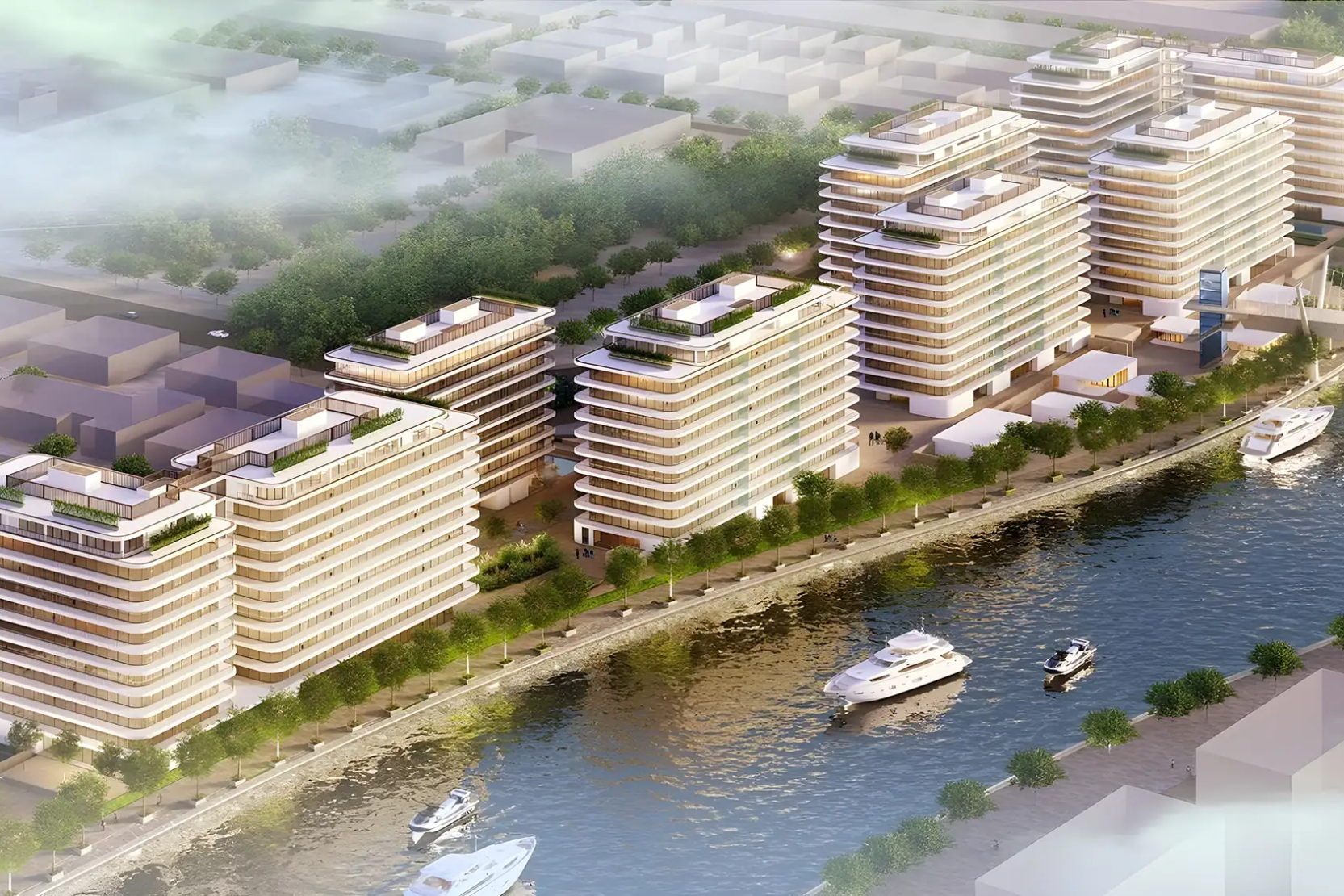
H&H + Sunrise: бутиковое партнёрство за Eden House The Park
Рынок недвижимости Дубая доминируют три-четыре мастер-девелопера, формирующих целые сообщества: Emaar, Damac, Nakheel, Dubai Holding. Другая, более скромная категория игроков работает над единичными проектами с очень высокой добавленной стоимостью: бутиковые девелоперы. Eden House The Park относится к одной из таких моделей: совместная разработка H&H + Sunrise. Вот что это меняет конкретно.
Мастер-девелопер vs бутиковый девелопер: грамматика
Мастер-девелопер планирует целый район. Продаёт участки, сдаёт публичную инфраструктуру, затем строит или передаёт плоты. Его логика - индустриальная: высокая стандартизация, эффект масштаба, массовый маркетинг. Итоговый продукт надёжен, но однороден.
Бутиковый девелопер работает на индивидуально приобретённых участках в уже сформированных районах. Его логика - качественная: предельный отбор архитекторов, материалов и партнёрств. Объём небольшой, цена за юнит высокая, маржа строится на уникальности.
H&H: трек-рекорд премиального жилья
H&H Development работает с 2007 года. Группа сдала Four Seasons Hotel и Resort в Дубае, Four Seasons Private Residences Jumeirah Beach и запустила жилой бренд Eden House (Al Satwa 2021, The Canal 2025). H&H приносит в партнёрство свою экспертизу в branded residential, отношения с операторами ультра-люкс гостеприимства и вертикальную интеграцию (дизайн, строительство, эксплуатация).
Sunrise: капитал и финансовая дисциплина
Sunrise вносит финансовую устойчивость партнёрства. Структура совместной разработки позволяет запустить проект масштаба Eden House The Park (550 юнитов, AED 964.9M стоимости проекта) с расширенной капитальной базой и разделённой системой управления. Риск исполнения снижается, способность инвестировать в качество растёт.
К этому добавляется владение через Global Partners Property Fund I (CEIC) Limited - DIFC Qualified Investor Fund под регулированием DFSA. Проект, таким образом, управляется как институциональный актив - редкий сигнал на дубайском off-plan рынке.
Что бутиковая модель меняет в контроле качества
В мастер-девелоперском проекте решения по отделке принимаются комитетом стандартизации: один тип плитки для 2 000 юнитов, один поставщик сантехники на пять башен. Логика - закупочная экономия.
В бутиковом проекте каждый выбор проходит через mood board, проверку физических образцов и прямую санкцию руководящего тандема обоих девелоперов. Травертин выбирается в карьере. Орех заказывается на конкретной итальянской лесопилке. Ручки прототипируются до серийного производства. Результат виден при сдаче, а не в виртуальном туре.
Что это значит для покупателя
Для покупателя бутиковая совместная разработка даёт три гарантии: уровень отделки выше дубайского стандарта, траектория стоимости, поддерживаемая редкостью программы, и прочная согласованность интересов с регулируемым институциональным фондом в роли молчаливого партнёра. Это полная противоположность ставке на единственного девелопера с ограниченным трек-рекордом.
Подробности об управлении проектом, графике и спецификации зданий см. на eden-house-the-park.ae.
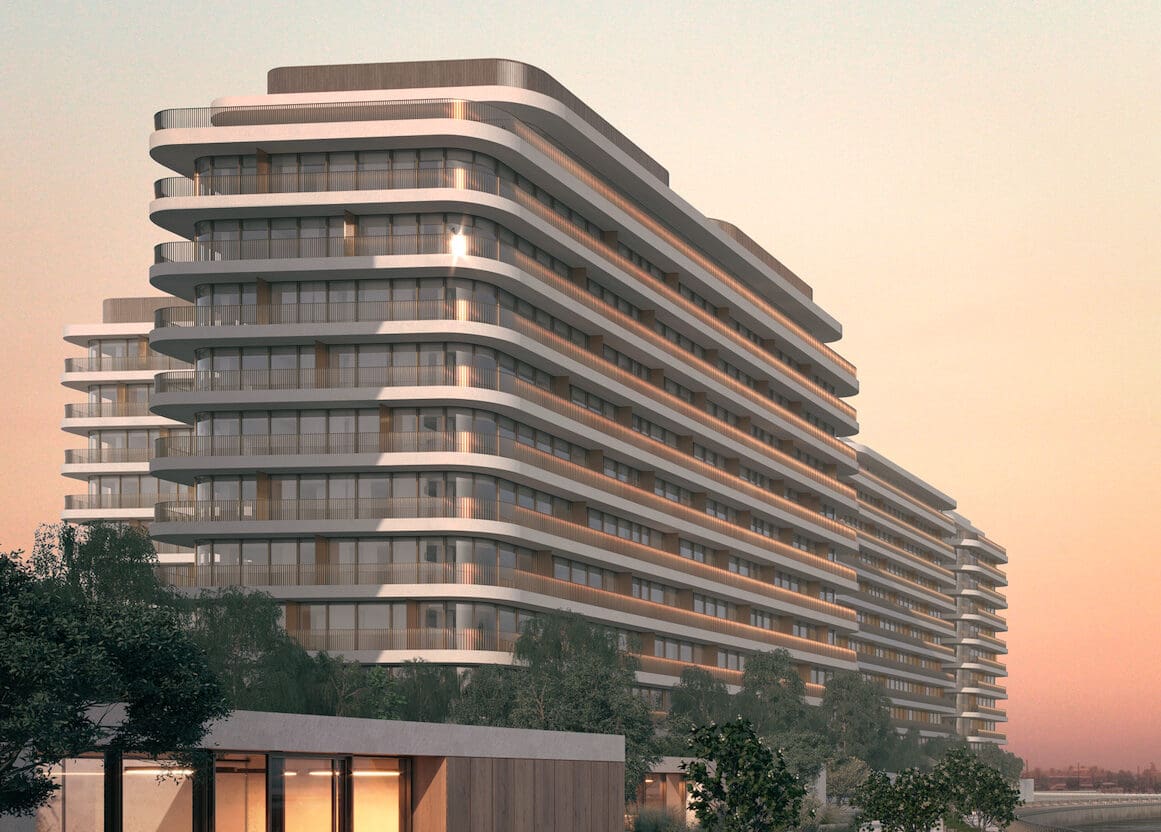
Свяжитесь с нами по проектной документации
Памятка по совместной разработке, оргструктура проекта и структура фонда могут быть переданы по запросу. Напишите через контактную форму, чтобы получить полное досье.